Okay, so check this out—I’ve been poking around Rabby for months. Really. It was one of those tools I kept opening, closing, then opening again because somethin’ about the flow stuck with me. Whoa! The interface is clean, but it’s the under-the-hood features that kept me coming back.
Quick gut take: Rabby is built for people who do more than hold tokens. If you interact with DeFi contracts, bridges, or DEX routers daily, Rabby tries to give you signals and controls that matter. My instinct said “this could save a trade” before I even dug into the docs. And yeah—some parts still bug me, but we’ll get to that.
First impressions are easy: installation feels like any Chrome extension. But once it’s installed, the differences show. The wallet supports multiple EVM-compatible chains, lets you manage multiple accounts, and—most importantly for power users—offers transaction simulation and granular approval controls. If you want the download or to double-check authenticity, grab the extension from the official source: rabby wallet.
Why transaction simulation matters (and how Rabby uses it)
Short version: simulation reduces surprises. Seriously?
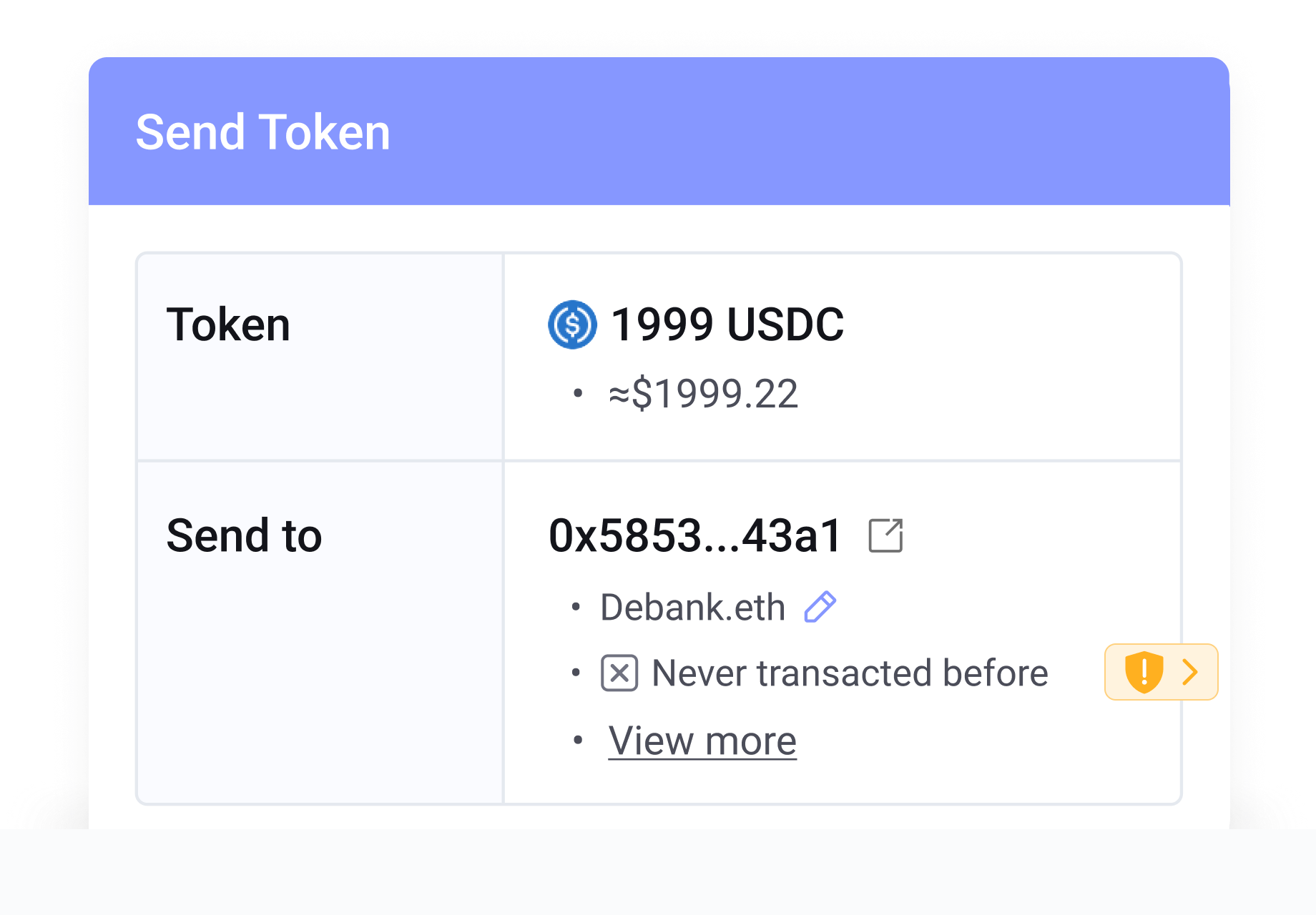
When you click Confirm on a DeFi transaction, you’re trusting the RPC response and whatever the contract will do on-chain. A simulation runs the same call against a recent state and shows what would happen—what tokens change hands, whether a revert would occur, and sometimes if a swap route leaves you vulnerable to slippage or sandwich attacks. Initially I thought simulations were just for debugging, but then I realized they’re a risk-control tool.
Rabby surfaces simulation results before you sign. That can include a preview of token balances, approvals used, and potential errors. On one hand, it’s not perfect—on-chain state moves fast, and a simulation is a snapshot. Though actually, even that snapshot is often enough to flag obvious issues like token approvals that would let an attacker drain funds, or a reversion that would waste gas.
For power users, simulations are invaluable when batching calls, interacting with complex routers, or approving new protocols. Use them as a sanity check—don’t treat them like oracle-level guarantees.
Core features that matter to DeFi power users
Here’s what I use (and why I care):
- Multi-chain support: Switch between Ethereum, Arbitrum, Optimism, BSC, Avalanche, and more without constant reconfiguration. Saves time when hopping between L2s and mainnets.
- Transaction simulation: Preview outcomes before signing. Helps catch reverts and unexpected token movements.
- Approval management: See which contracts have token allowances and revoke or set limits—big mitigation for approval fatigue.
- Hardware wallet compatibility: Use Ledger (or other hardware keys) for high-value accounts to keep private keys off the browser.
- Custom RPC and gas control: Set your preferred node, tweak gas prices and types—critical when chasing MEV or avoiding stalled txs.
- Account separation: Keep a “hot” account for small trades and a guarded account for holdings. Yes, it’s basic operational security, but often neglected.
I’ll be honest—no wallet is perfect. But Rabby brings tooling that aligns with a trader or builder’s workflow, without forcing you into a single pattern.
Practical workflow: how I use Rabby for a risky trade
Step 1: connect my hot account and verify domain. This is the small habit that pays off.
Step 2: simulate the transaction. If it shows a potential revert or unusual token movement, I pause. Something felt off about a trade once—simulation flagged an extra approval hidden in the route and I caught it before signing. Saved me some headaches.
Step 3: set allowance limits when possible, or use the approval-once pattern. If the DApp needs repeated approvals, use a vaulted or intermediary account.
Step 4: for anything over a threshold, move the trade to a hardware-backed account. Ledger + Rabby works smoothly enough for multi-step interactions.
Simple, but effective. On paper it’s obvious. In practice, habits matter. And honestly, the friction of switching networks or accounts is what kills these best practices for many people.
Security notes and trade-offs
Rabby reduces surface area in some clear ways. Simulation helps, and approval management is a real win. Yet remember: browser extensions are still a layer with risk. Phishing, malicious sites, or compromised extensions can be vectors.
So don’t be lazy—verify extension sources, keep small balances in hot wallets, and use hardware for large holdings. Also, sometimes simulations can give a false sense of safety. The mempool changes fast. Use simulations as one tool among many, not the only guardrail.
FAQ
Can Rabby simulate transactions on all supported chains?
Mostly yes, for EVM-compatible chains. Simulation accuracy depends on RPC and the state snapshot—so simulation quality can vary by network and provider. In other words: helpful, but not perfect.
Does Rabby support hardware wallets?
Yes. You can pair devices like Ledger to sign transactions, which is strongly recommended for larger positions or multisig workflows.
How do I handle token approvals safely?
Limit allowances, revoke unused approvals, or use a dedicated intermediary account for risky DApps. Rabby makes approvals visible and revokable—which helps a lot.